
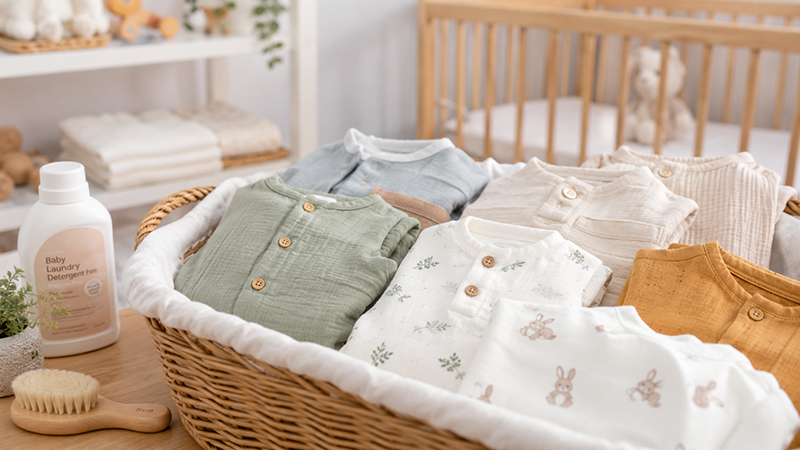
Baby clothes may look simple, but they need more careful care than regular clothing.
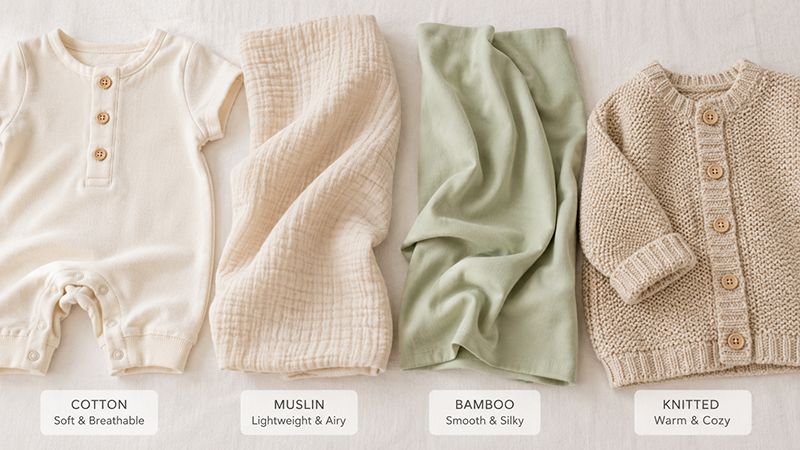
Because newborn skin is delicate, baby garments are often made from soft fabrics such as cotton, muslin, bamboo, and knit materials. Proper washing helps keep clothes clean, comfortable, and gentle on sensitive skin.
Using the right washing methods can also help maintain fabric softness and reduce shrinkage. In this guide, we explain how to wash baby clothes properly and keep them in good condition.
Should You Wash Baby Clothes Before First Use?
Yes — baby clothes should always be washed before first use.
Even brand-new garments may collect dust, packaging residues, or particles during manufacturing, storage, and transportation. Washing them first helps remove these residues and makes the clothes more comfortable for sensitive skin.
This is especially important for:
- Newborn bodysuits
- Rompers and pajamas
- Hats and mittens
- Blankets and bibs
- Clothing made with dyed or printed fabrics
Many pediatric experts also recommend pre-washing newborn clothing to reduce potential irritation.
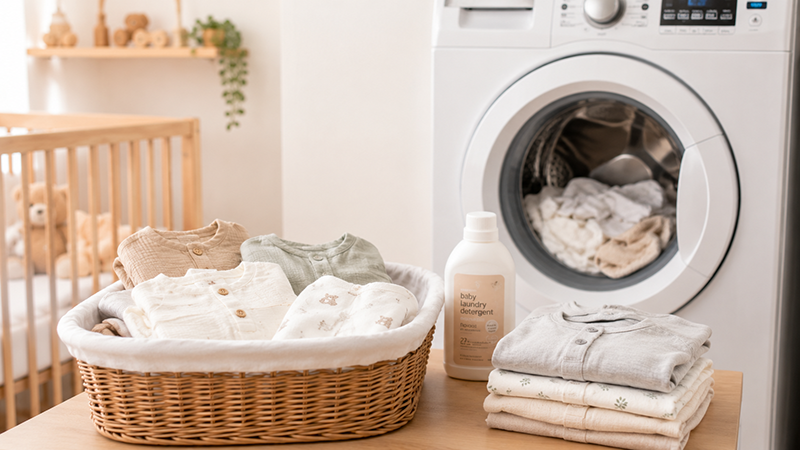
Recommended preparation steps:
✔ Remove tags and packaging
✔ Sort by fabric type and color
✔ Use mild detergent
✔ Wash before storing in the nursery
Choose a Baby-Safe Detergent
The detergent you use can make a big difference.
Strong fragrances, bleach, and harsh additives may leave residues on fabric surfaces. Since babies spend long hours wearing and touching clothing, gentle detergents are usually the safer choice.
Look for detergents that are:
- Fragrance-free or lightly scented
- Hypoallergenic
- Dye-free when possible
- Designed for sensitive skin
| Avoid | Better Choice |
|---|---|
| Strong fragrance detergents | Mild baby detergent |
| Bleach | Gentle stain remover |
| Heavy fabric softeners | Sensitive-skin formula |
| Harsh chemicals | Hypoallergenic products |
Fabric softeners are not always necessary for baby clothing because high-quality cotton fabrics already provide natural softness.
Separate Baby Clothes by Fabric Type
Not all baby clothes should be washed the same way.
Different fabrics respond differently to water temperature, spinning speed, and drying methods.
Cotton
Cotton is one of the most common materials in baby clothing because it is breathable and soft.
Recommended care:
- Machine wash with warm water
- Low heat drying
- Avoid excessive shrinkage from high temperatures
Muslin
Muslin fabrics are lightweight and delicate.
Recommended care:
- Gentle cycle
- Cold or warm water
- Air drying preferred
Bamboo Fabric
Bamboo baby clothing is valued for softness and moisture control.
Recommended care:
- Mild detergent only
- Avoid bleach
- Low-temperature drying
Knitted Fabrics
Knits can stretch if handled roughly.
Recommended care:
- Gentle cycle
- Avoid overloading the washer
- Lay flat when possible
Choosing suitable fabrics is equally important when selecting baby clothing.
You may also like: Best Fabric for Baby Clothes and What to Avoid
What Temperature Should You Wash Baby Clothes?
Many parents assume hotter water means cleaner clothes, but that is not always true.
Using excessively hot water may damage delicate fabrics and increase shrinkage.
Here is a simple guide:
| Water Temperature | Best For |
|---|---|
| Cold Water | Delicate fabrics, muslin, bamboo |
| Warm Water | Everyday baby clothing |
| Hot Water | Towels, heavily soiled items |
Warm water works well for most baby garments because it balances cleanliness and fabric protection.
Always check garment care labels before washing.
How to Remove Common Baby Stains
Baby clothes often face stains from milk, formula, food, and outdoor play.
Treating stains early usually gives better results.
Milk and Formula Stains
Rinse with cool water first.
Apply a gentle detergent before washing.
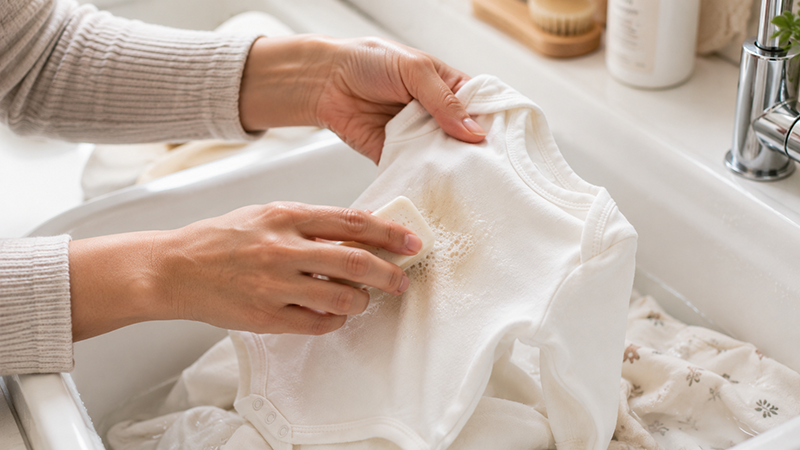
Avoid hot water immediately because heat may set protein stains.
Food Stains
Fruit puree, vegetables, and snacks can leave visible marks.
Recommended steps:
- Remove excess food
- Rinse with cold water
- Pre-treat stain
- Wash normally
Mud and Outdoor Dirt
Allow mud to dry first.
Brush off loose dirt before washing.
Washing wet mud immediately may spread the stain further.
Machine Wash or Hand Wash?
Most modern baby clothes are machine washable.
Machine washing saves time and works well for everyday items.
However, hand washing may still be useful for:
- Delicate embroidery
- Handmade garments
- Lace details
- Decorative clothing for special occasions
Using laundry bags can also help protect delicate baby garments during machine washing.
Drying methods affect fabric softness, shape, and durability.
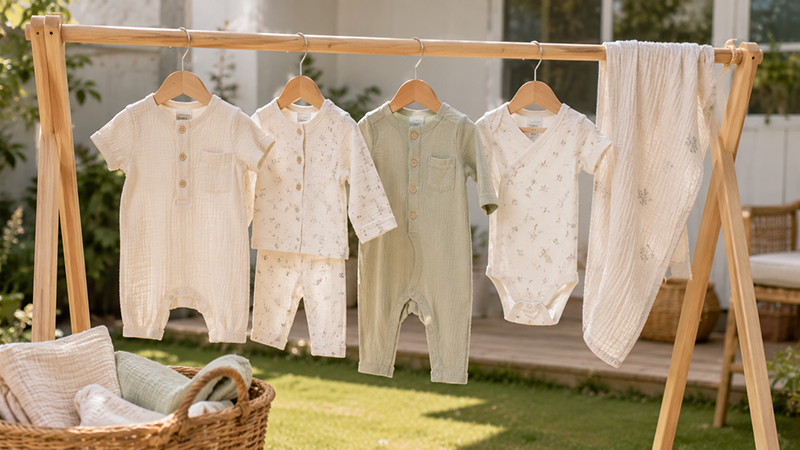
Air Drying
Advantages:
✔ Reduces shrinkage
✔ Protects delicate fabrics
✔ Maintains softness
Air drying works especially well for muslin and lightweight cotton clothing.
Tumble Drying
Use low heat settings whenever possible.
High temperatures may lead to:
- Fabric shrinkage
- Color fading
- Elastic damage
Remove clothes promptly after drying to reduce wrinkles.
Avoid prolonged exposure to direct sunlight because some fabrics may become stiff over time.
Why Fabric Quality Matters in Baby Clothing
Proper washing helps, but fabric quality plays an equally important role.
Higher-quality fabrics generally:
- Maintain softness after repeated washing
- Show less shrinkage
- Resist pilling better
- Keep shape longer
This is one reason many brands and buyers pay close attention to fabric standards and quality control during production.
For baby clothing manufacturing, common quality considerations include:
- Soft-touch fabrics
- OEKO-TEX certified materials
- Color fastness testing
- Shrinkage control
- Skin-friendly finishes
Quality fabrics not only improve comfort but also extend product life.

FAQ
1. Should you wash baby clothes before first use?
Yes. Washing baby clothes before first use helps remove dust, packaging residues, and particles collected during manufacturing, storage, and transportation.
2. What detergent is safe for baby clothes?
Mild, fragrance-free, and hypoallergenic detergents are usually the best choice for baby clothes because they are gentler on sensitive skin.
3. What temperature should baby clothes be washed at?
Warm water is suitable for most baby clothing, while delicate fabrics such as muslin and bamboo are better washed in cold water.
4. Can baby clothes be machine washed?
Yes. Most baby clothes can be machine washed, but delicate garments with embroidery or lace may require gentle cycles or hand washing.
5. Can baby clothes be dried in a dryer?
Yes, but low heat settings are recommended. High temperatures may cause shrinkage and affect fabric softness. Air drying is often the safer option for delicate fabrics.
Final Thoughts
Washing baby clothes properly is not complicated, but a few simple habits can help protect both your baby’s skin and the garments themselves.
To summarize:
✔ Wash new baby clothes before first use
✔ Choose gentle detergents
✔ Separate by fabric type
✔ Use suitable water temperatures
✔ Treat stains early
✔ Dry carefully to protect softness
Good fabric care starts with good fabric selection.
For brands and wholesale buyers, choosing safe and durable materials is equally important in baby clothing production.
Looking for baby clothing production solutions?
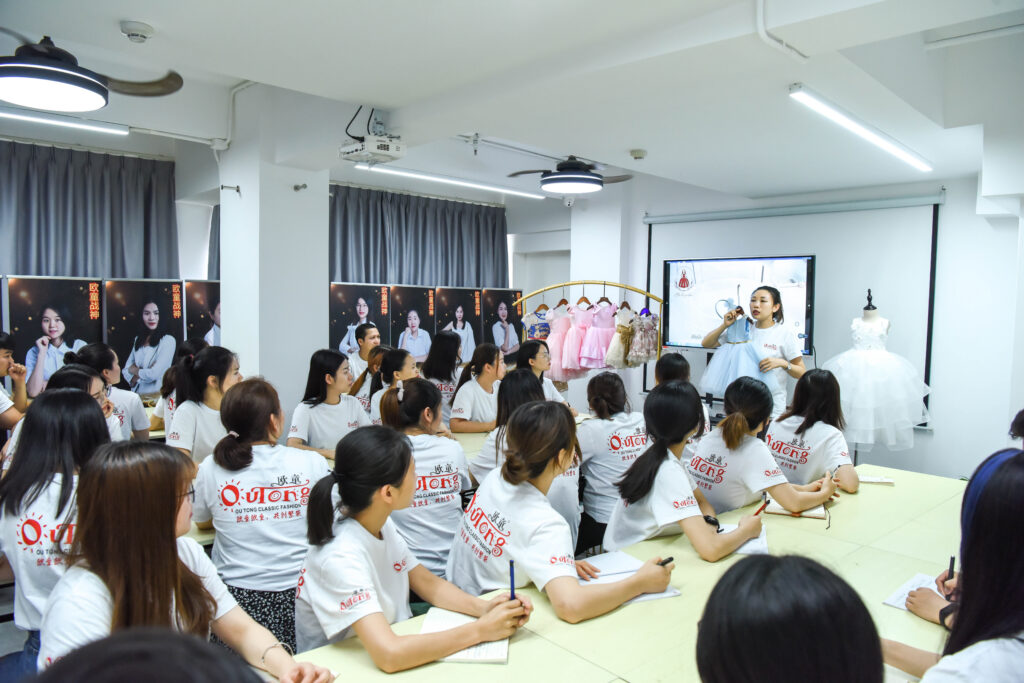
At Outong , we support OEM & ODM baby clothing manufacturing with quality fabrics, strict inspection, and fast sample development.
Contact us for catalog and factory information.