Buying baby clothes can be tricky. You pick a cute 3–6 month romper, and your baby outgrows it in no time. That’s why a baby clothes size chart is essential — it helps parents and retailers find accurate fits.
Every baby grows at a different pace, so relying on age alone doesn’t work. A detailed baby sizing guide makes shopping easier and reduces returns for wholesale babywear sellers.
Sizing also varies across markets — a US 6-month can differ from a UK or EU label. Understanding these differences ensures you choose the right fit and maintain consistency across global orders.
Let’s look at how baby clothing sizes really work — and how to select the perfect fit every time.
Understanding Clothing Sizes
Baby clothing sizes are meant to be averages. That’s the theory. In practice? Babies rarely follow averages. Some are tall and lean, others stocky, and many fall somewhere in between. That’s why a baby clothes size chart isn’t just convenient—it’s almost essential.
Weight and height matter more than age. Some brands focus mainly on weight, while others focus primarily on length. A 6-month size from one label might fit perfectly, while the same size from another brand could feel snug. Charts turn these numbers into something you can actually use.
Labels can be confusing. NB, 6M, 6X, 6T… it almost feels like a secret code. A chart helps decode it—and for online shopping, it’s practically a necessity.
Even minor quirks matter. Maybe your baby is taller or heavier than average. A chart lets you adjust, so you don’t end up with a baby romper that’s too short or a sleeper that fits awkwardly.
How to Create a Baby Clothes Size Chart
A baby clothes size chart connects weight, height, and age to clothing size. For parents, it’s a sanity-saver. For retailers or baby clothing manufacturers, it’s essential to maintain consistent sizing.
Why It Matters?
- Saves time—you check the chart instead of guessing.
- Reduces returns and frustration. Fewer “Oops, too small.”
- Helps plan for growth. Babies grow fast; a chart can guide your next purchase.
- Critical for wholesale. Size consistency across brands and regions prevents confusion.
When making or reading a chart, always include:
- Age in months
- Weight in pounds or kilograms
- Height in inches or centimeters
- Size code (NB, 0–3M, 3–6M, etc.)
Once you get used to reading charts, you start spotting patterns. You even anticipate growth spurts. It’s like having insider knowledge—almost fun once you get the hang of it.
How to Read Baby Clothes Sizes
Most baby clothes sizes are based on weight and length, not just age. Here’s a rough guide for the US:
| Size | Age | Weight | Height |
|---|---|---|---|
| NB | 0–1 month | 5–8 lbs | 18–21 in |
| 0–3M | 1–3 months | 8–12 lbs | 21–24 in |
| 3–6M | 3–6 months | 12–16 lbs | 24–26 in |
| 6–9M | 6–9 months | 16–20 lbs | 26–28 in |
| 9–12M | 9–12 months | 20–24 lbs | 28–30 in |
Understanding Clothing Labels
Clothing labels can be confusing. Here’s a quick breakdown:
- NB (Newborn): Up to 8 lbs, first month.
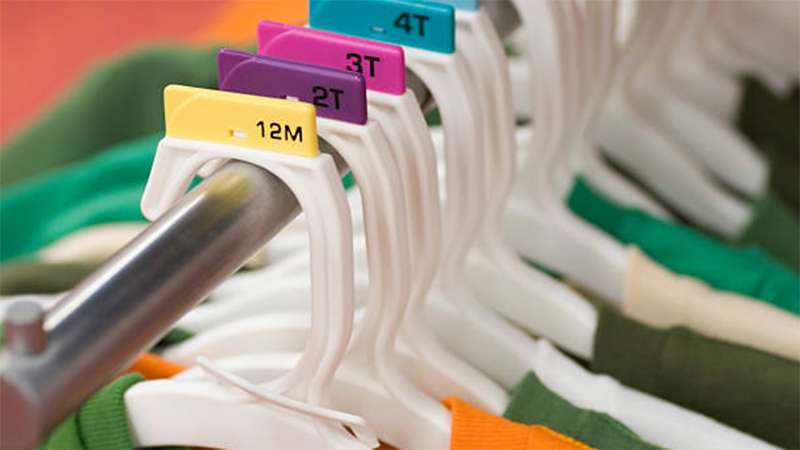
- M (Months): From 0M to 24M, roughly aligns with age.
- T (Toddler): 2T–5T. Transition out of baby sizes.
- Fit variations: Slim, Regular, Husky, Plus. Knowing your baby’s build helps pick the right one.
Dual sizes like 4–5 offer room to grow, which can be life-saving. Labels give starting points, charts give accuracy.
Also, clothing type matters. A jumper fits differently from a onesie, even if both are 6–9M. A chart helps you navigate that.
👉 Explore our [Internal link →Baby Clothing collection to see how different styles fit across ages.
How to Read Baby Clothes Sizes
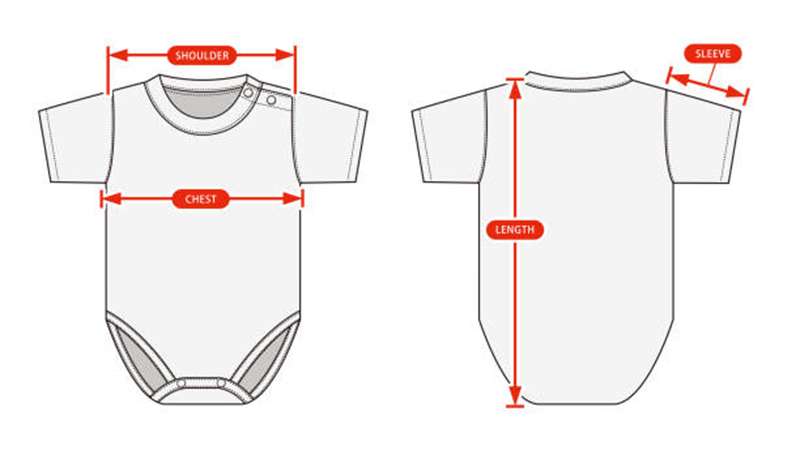
- Measure your baby: chest, waist, height—don’t skip this.
- Match the numbers to the chart. Find the closest fit.
- Consider growth: if at the top of a size, go one up.
- Brand-specific charts matter. US 6–9M ≠ UK 6–9M.
Think of it as combining science and instinct. The chart gives data; you know your baby. Together, it works.
Brand-Specific Charts Matter
Not all size charts are created equal. If you’re shopping from specific brands, always check their individual sizing guides:
- Carter’s baby size chart: Known for running slightly larger; their 6M often fits like 6–9M
- Gerber baby sizes: Tend to run smaller and shorter; consider sizing up
- H&M baby clothes: European-based sizing; typically runs slim
- Target’s Cat & Jack: True to size with extra stretch
- Old Navy baby: Generous fits with room to grow
When shopping online, look for the “Size Guide” or “Size Chart” link on the product page—most major retailers provide measurements specific to that item.
Tips for Buying the Right Size
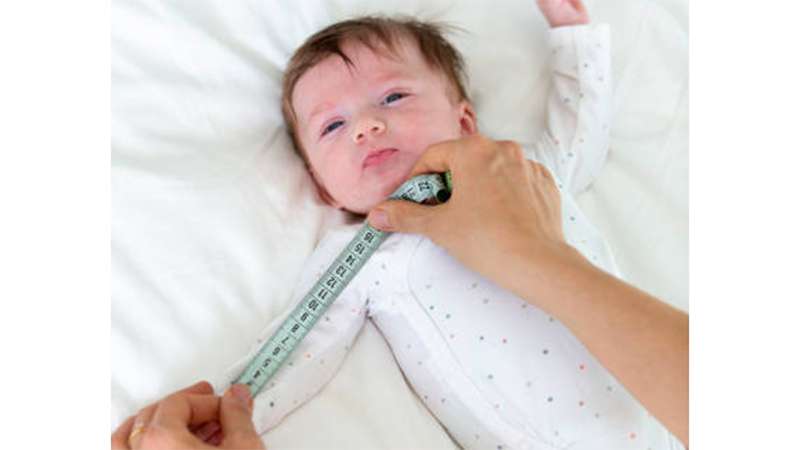
Before you start picking out cute outfits, it’s worth taking a moment to measure your baby, then cross-reference with a baby clothes size chart. It might feel a little tedious, but trust me, it saves a lot of returns and “oops, too small” moments later.
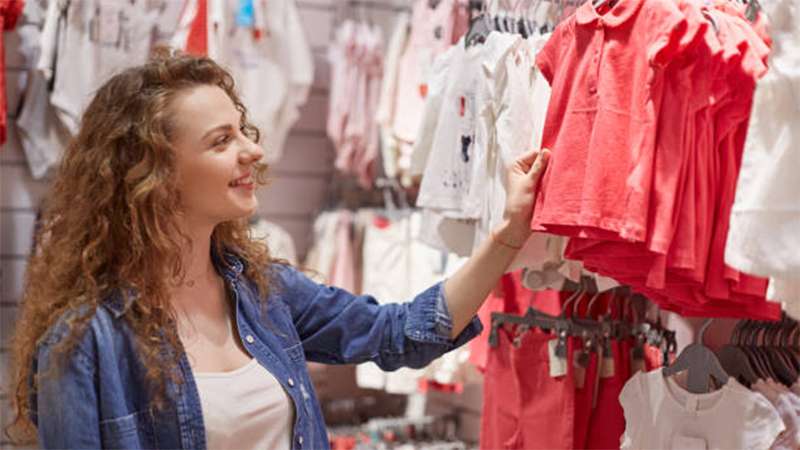
- Measure first, then check the chart: Every brand can differ slightly, so even if your friend swears by size 3–6 months, your baby might be more in the 6–9 month range. A tape measure and a little patience go a long way.
- Leave room to grow: Babies are like tiny rockets—they grow fast, sometimes overnight. Choosing a slightly bigger newborn clothes size ensures comfort and avoids that “stuck-in-a-sleeve” drama.
- Seasonal layers? Buy slightly bigger: If you’re dressing for winter, layering is key. Think soft onesies under sweaters. Going one size up allows room for warmth without squeezing.
- Wholesale buyers, check brand-specific charts: If you’re buying in bulk or for resale, every brand has its quirks. Don’t rely solely on generic sizing; cross-check with the manufacturer’s chart to avoid a pile of returns.
- Visual charts are surprisingly helpful: Some babies just respond better to seeing proportions. Tape a simple visual baby clothing sizes chart on the fridge or in the nursery—it makes daily dressing decisions a breeze.
- Consider your baby’s activity level: Is your baby crawling, rolling, or a professional wiggle machine? Active babies need extra room in their arms and legs. Comfort beats a tight fit every time.
A little extra thought in sizing also helps you avoid wasted money and keeps your baby happy. After all, isn’t seeing them comfortably snuggled into clothes far more satisfying than stressing over whether it’s the “right” number on a tag?
International Size Conversion: US vs UK vs EU
Shopping globally? Here’s a quick reference:
Retailers and babywear wholesale buyers should always double-check brand sizing. Some European brands run a little smaller, while others run larger. There’s no universal rule, but size charts make it much easier to navigate the differences with confidence.
For more, let’s read: why Outong Makes Your Brand the Center of Attention.
FAQ: Baby Clothing Sizes
Q1: Should I buy a size up for my baby?
Yes. Babies grow quickly, so choosing one size larger ensures comfort and longer wear.
Q2: Why do baby clothes sizes vary by brand?
Each brand uses its own sizing standards. Always check the size chart provided on the product page.
Q3: What’s the best way to measure my baby?
Use a soft measuring tape to check height from head to heel, and measure chest and waist for accuracy.
Conclusion: Finding the Perfect Baby Fit
Finding the right baby clothes size doesn’t have to be stressful. By using a reliable chart and considering your baby’s height, weight, and growth rate, you’ll shop smarter and more confidently. For retailers and wholesalers, accurate charts help reduce returns and build customer trust.
Don’t forget to check brand-specific and international charts, especially if you’re buying from multiple markets or working as a retailer or baby clothing manufacturer, since charts help prevent sizing mistakes.
If you need extra guidance, reach out to us at Outong for personalised size advice or to request an OUTONG sizing guide. You can also download a printable baby clothes size chart directly from our site. Once you start using one, shopping becomes simpler, your baby stays comfortable, and the clothes actually fit as they should.
Why Retailers Trust Outong

Outong (Yoliyolei) has specialized in children’s apparel manufacturing for over 24 years.
As a certified OEM/ODM factory, we help global retailers and wholesalers design, produce, and customize babywear collections with consistent sizing, premium fabrics, and timeless designs.
Our product lines from Baby Rompers and Baptism Gowns to Photo-Day Dresses combine comfort, quality, and elegance, helping brands deliver perfectly fitting outfits for every occasion.
Discover more at OutongFashion.com.