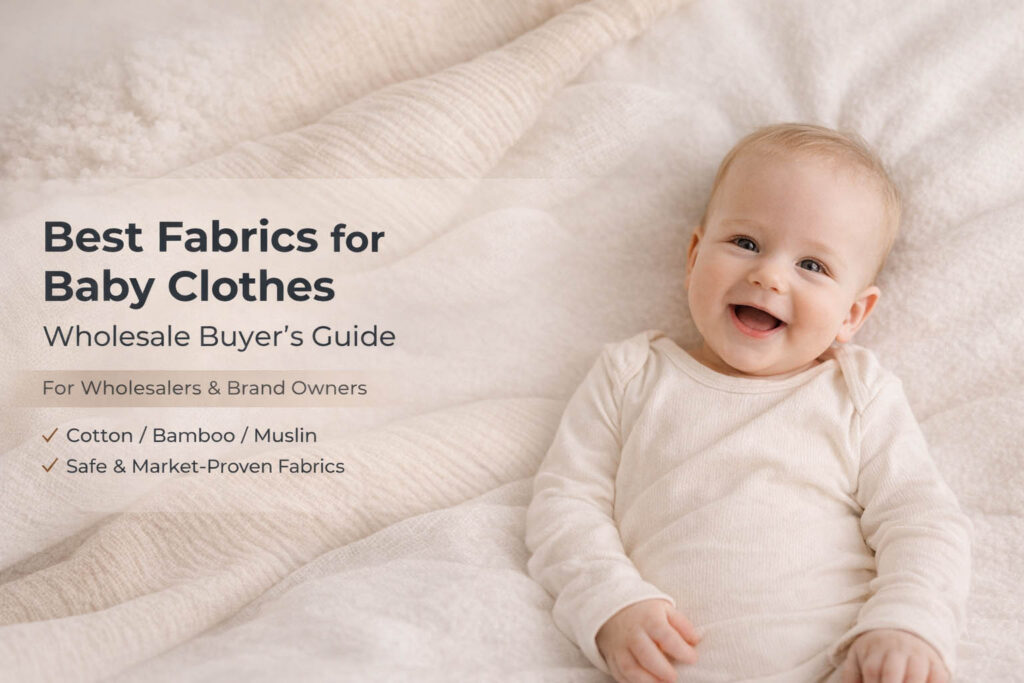
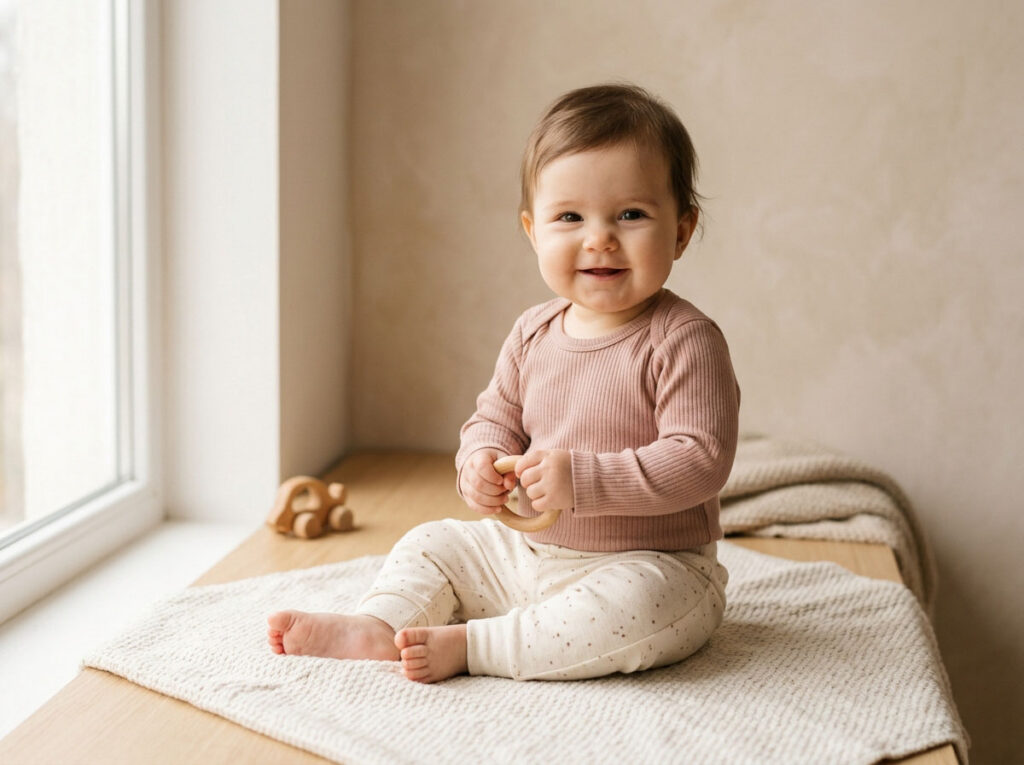
When sourcing baby clothing, fabric choice directly affects product safety, comfort, and return rates. For wholesale buyers, selecting the right materials is key to building a reliable and competitive product line.
Many buyers today prefer soft, breathable fabrics like cotton and bamboo — you can explore examples in our baby clothing collection.
What is the best fabric for baby clothes?
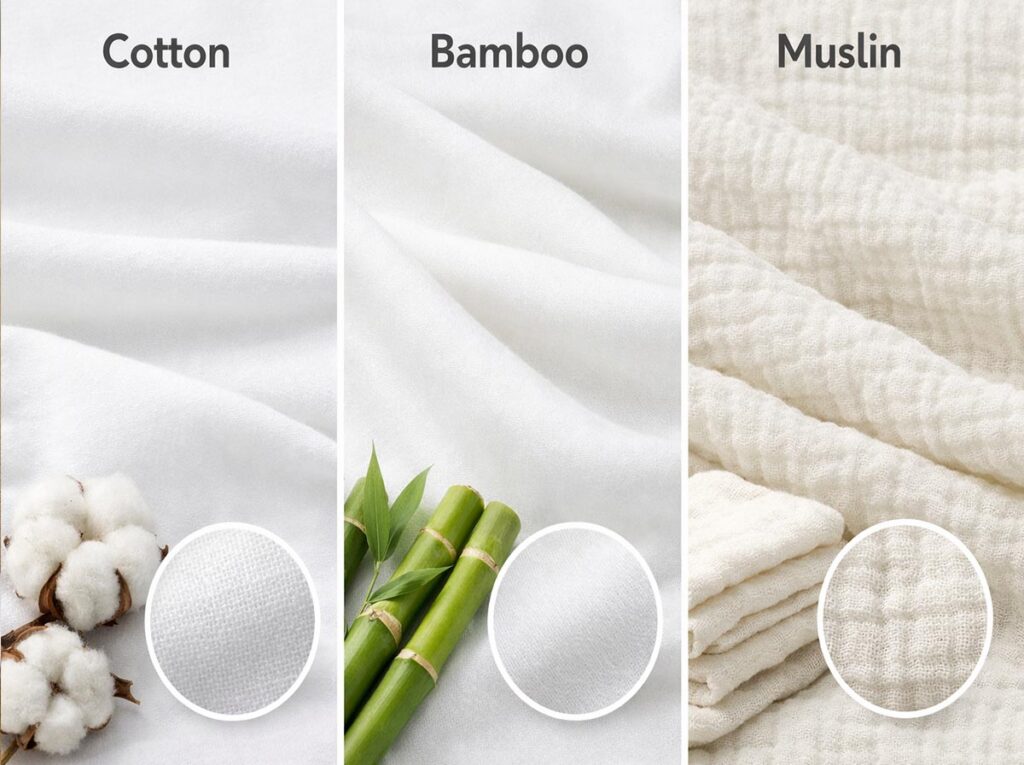
The best fabrics for baby clothes are cotton, bamboo, and muslin. These materials are soft, breathable, and safe for sensitive skin, making them ideal for both comfort and wholesale markets.
Why Fabric Choice Matters in Baby Clothing
Baby skin is highly sensitive, which means fabric quality directly impacts comfort and safety. For wholesalers and retailers, this also affects:
- Customer satisfaction
- Return rates
- Brand reputation
If you are sourcing from overseas, controlling quality is essential.
For buyers building a full category, you may also explore our kids’ clothing collection to understand product structure and fabric usage.
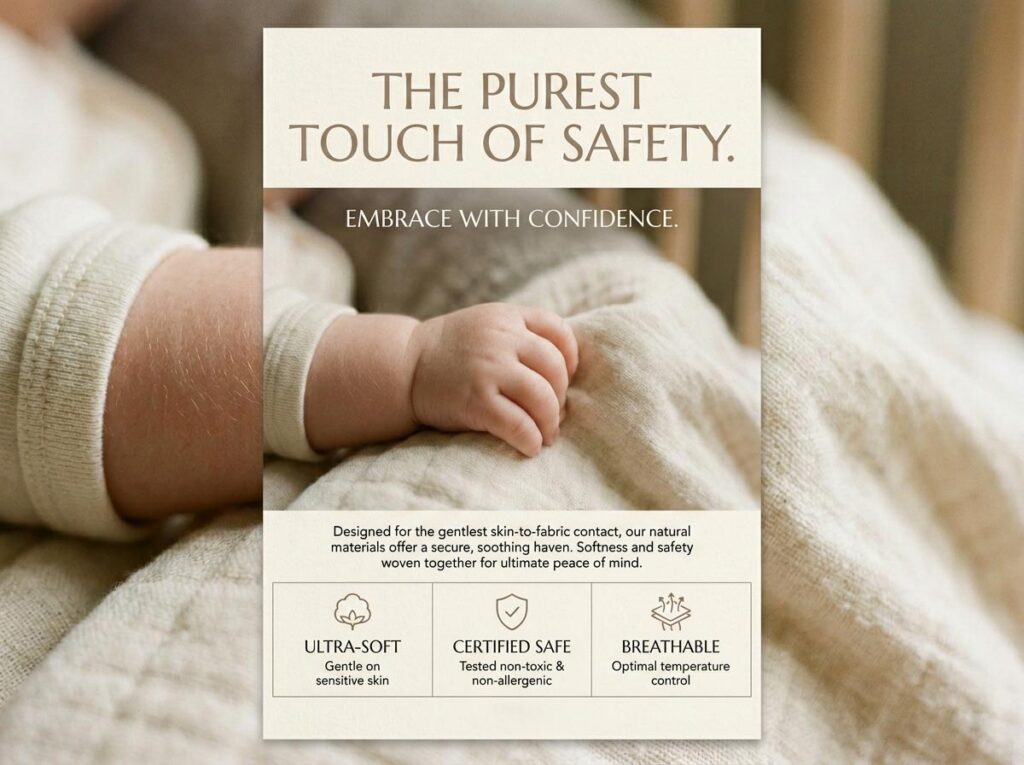
Best Fabrics for Baby Clothes
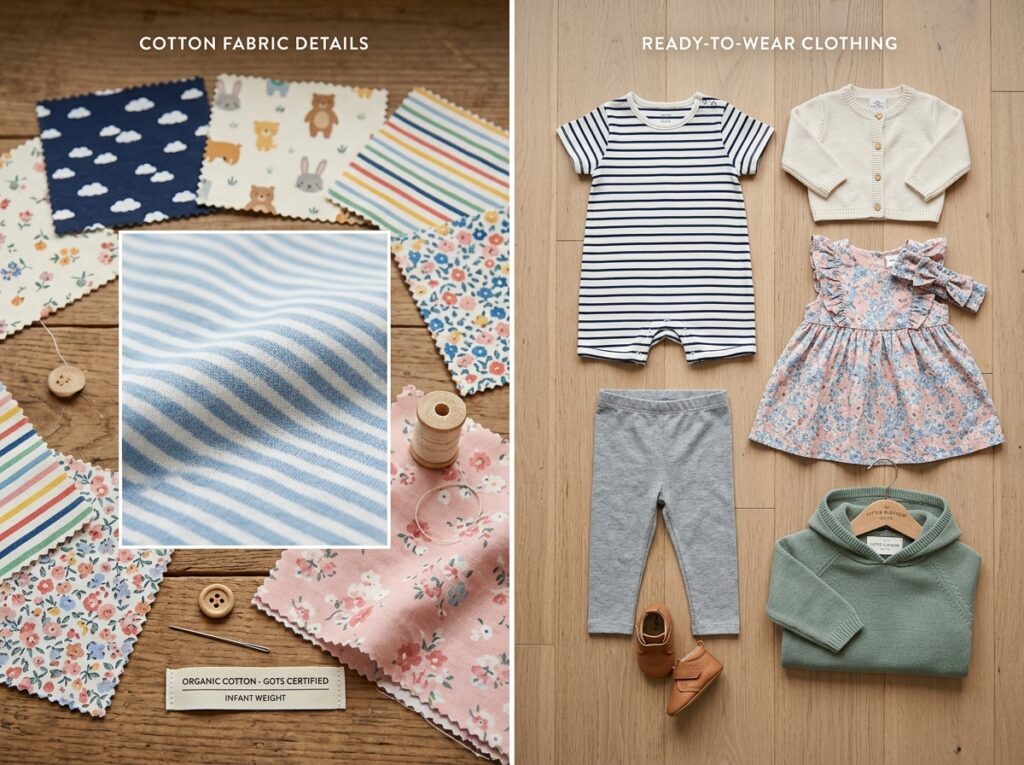
1. Cotton (Especially Organic Cotton)
Cotton is the most widely used fabric in baby clothing due to its softness and breathability.
- Comfortable and skin-friendly
- Easy to wash and durable
- Highly accepted in US and EU markets
Premium buyers often prefer organic cotton for added safety.
Learn more about organic textiles.
2. Bamboo Fabric
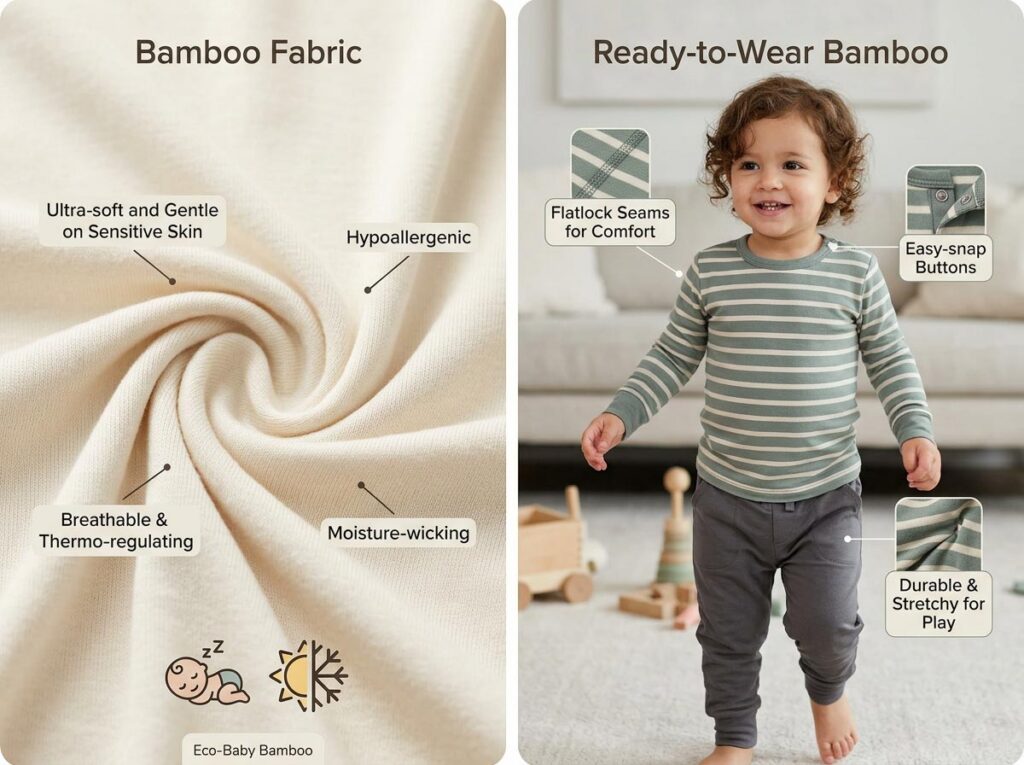
Bamboo fabric is gaining popularity in high-end baby clothing collections.
- Naturally antibacterial
- Ultra-soft texture
- Moisture-wicking
It is especially suitable for rompers and sleepwear — browse similar styles in our baby Home & Leisure products collection.
3. Muslin
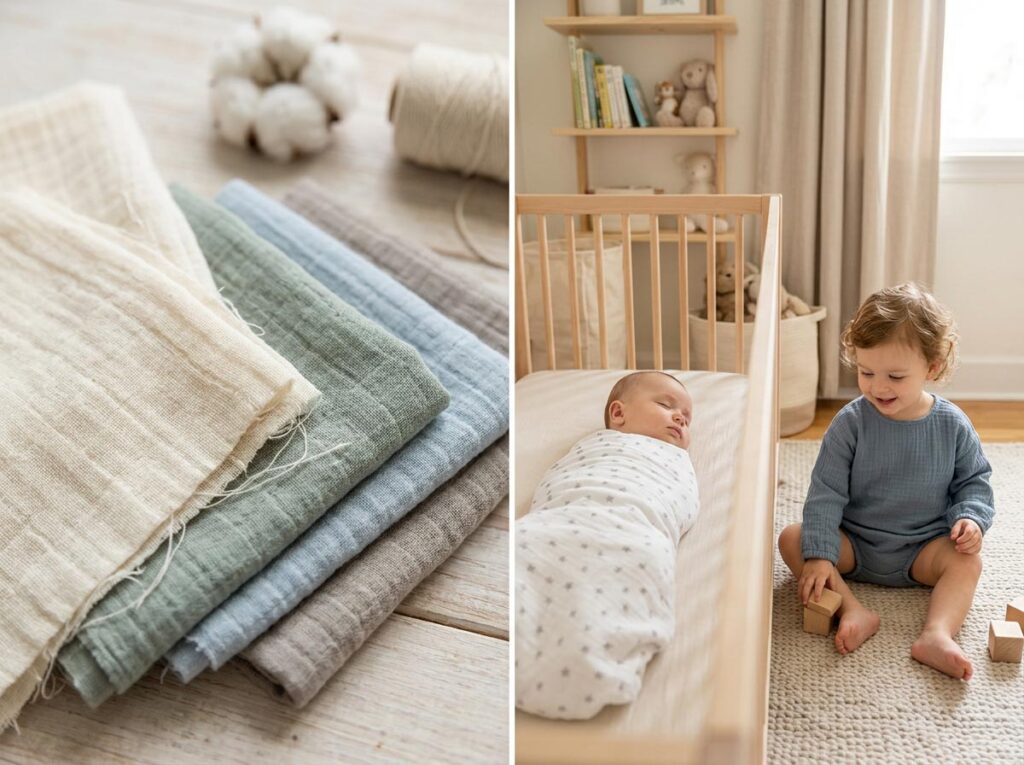
Muslin is a lightweight cotton fabric ideal for warm climates.
- Breathable and soft
- Suitable for layering
- Commonly used in swaddles
| Fabric | Softness | Breathability | Best For | Market Level |
|---|---|---|---|---|
| Cotton | High | High | Daily wear | Mass market |
| Bamboo | Very High | High | Premium babywear | High-end |
| Muslin | Medium | Very High | Summer / swaddles | Seasonal |
Fabrics to Avoid in Baby Clothing
Choosing the wrong fabric can lead to complaints and lost customers.
1. Low-Quality Polyester
- Poor breathability
- Can irritate sensitive skin
2. Rough Synthetic Blends
- Uncomfortable texture
- Not suitable for infants
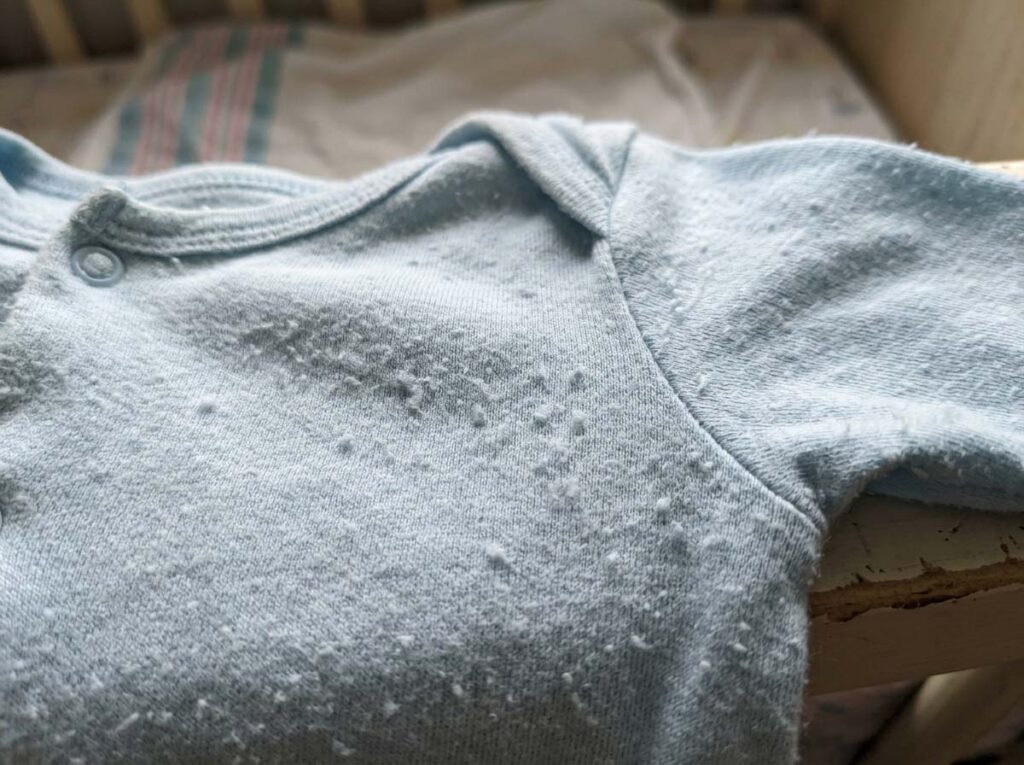
3. Chemically Treated Fabrics
- Potential safety risks
- May fail compliance tests
Learn more about the American Academy of Pediatrics.
Compliance and Safety Standards
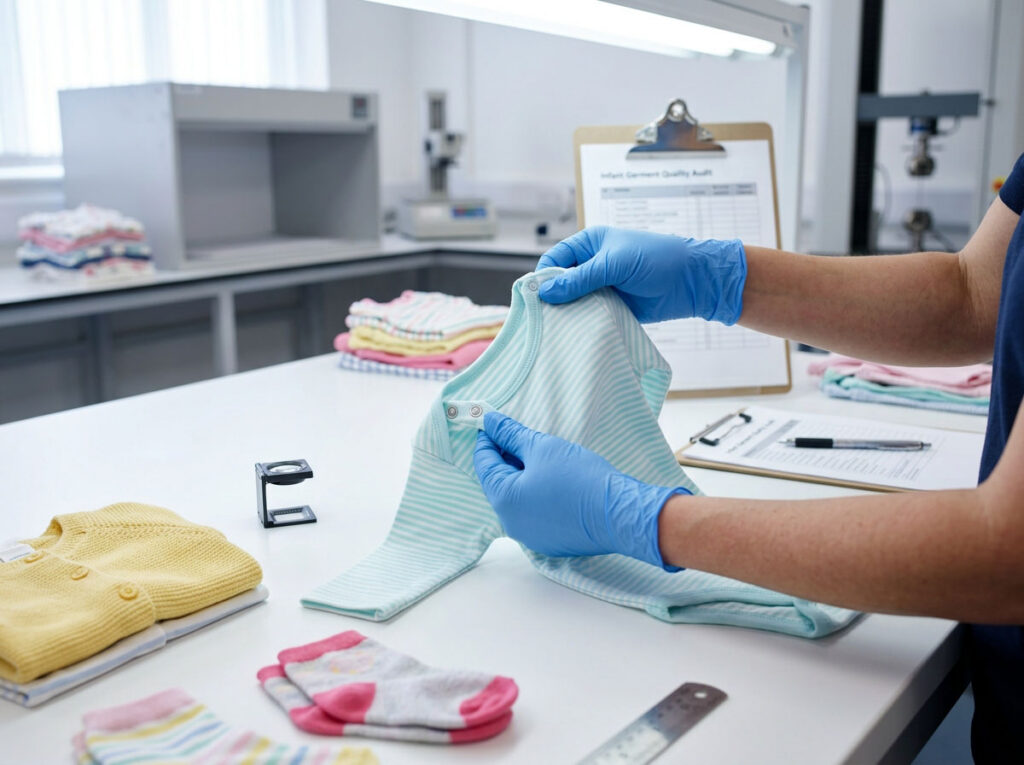
For international buyers, compliance is critical.
Key standards include:
- CPSIA (USA)
- OEKO-TEX® Standard 100
- EN Standards (EU)
Working with certified suppliers reduces risk and ensures smooth import processes.
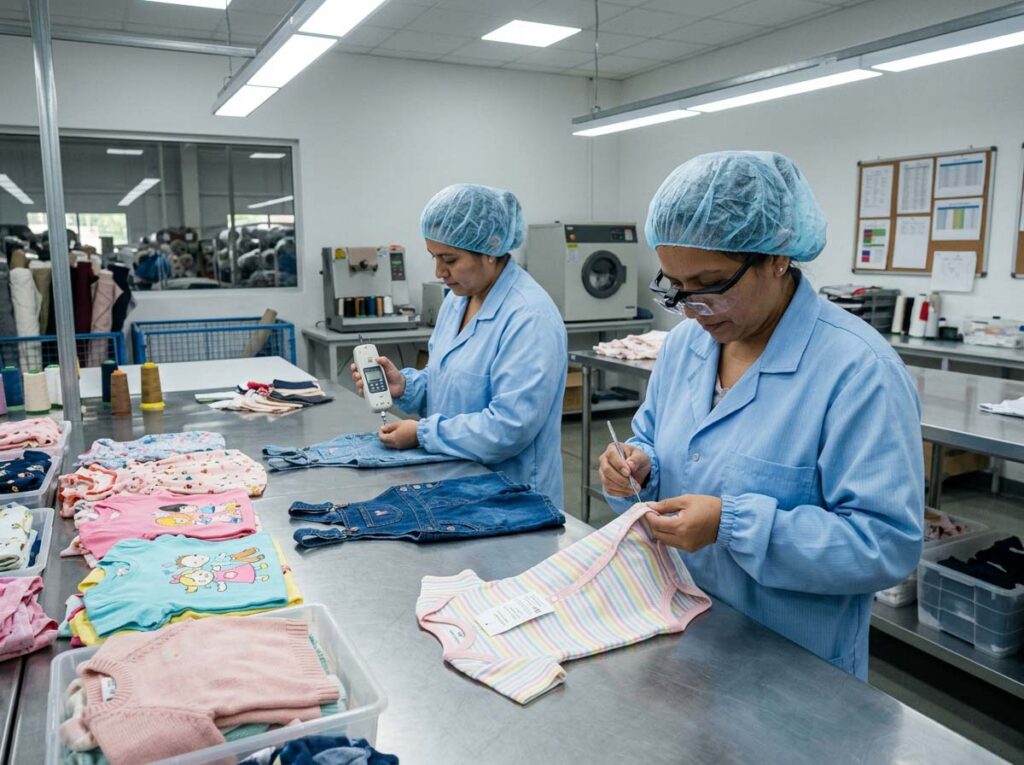
How to Check Fabric Quality Before Bulk Orders
Before placing large orders, buyers should:
- Request fabric samples
- Test colorfastness
- Check shrinkage
- Review certifications
You can also explore our girls’ dresses wholesale collection to see how high-quality fabrics are applied in finished products.
Why Work With Us for Baby Clothing Supply
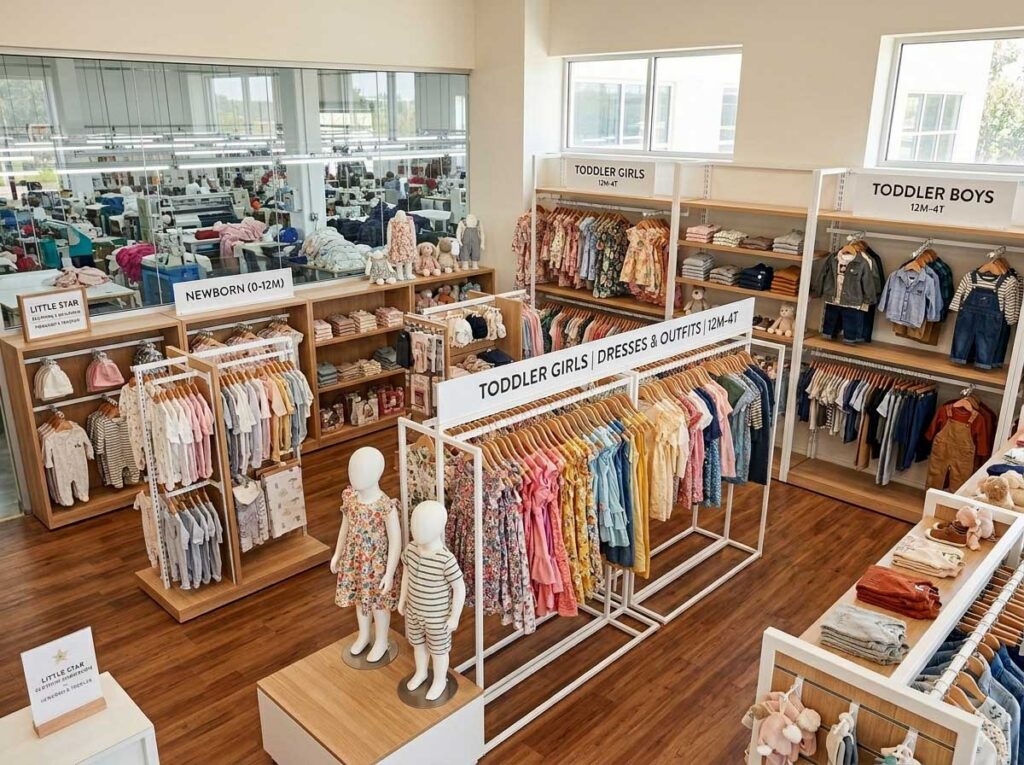
With over 20 years of experience in kidswear manufacturing, we help wholesalers and brands develop baby clothing that is safe, comfortable, and easy to sell.
From carefully selected fabrics to strict quality inspection, every step is designed to reduce returns and improve customer satisfaction. We offer low MOQ in-stock options as well as flexible OEM/ODM services.
Our products are supplied to clients across the US, Europe, and the Middle East — helping them build stable and profitable collections.
You can also explore our OEM & ODM customization service to learn how we support brand development.
FAQs About Baby Clothing Fabrics
1. What is the safest fabric for baby clothes?
Natural fabrics like cotton, organic cotton, and bamboo are the safest choices due to their softness and breathability.
2. Is polyester suitable for baby clothing?
Polyester is generally not recommended because it lacks breathability and may cause skin irritation.
3. What fabric is best for bulk baby clothing orders?
Cotton and cotton blends are the most practical for wholesale due to comfort, durability, and cost balance.
4. How can I test fabric quality before ordering?
Request samples and test softness, shrinkage, and colorfastness. Certifications are also important.
5. Do baby clothes need to meet safety standards?
Yes, standards like CPSIA and OEKO-TEX are essential for entering the US and EU markets.
Conclusion
Choosing the right fabric is only part of the process — selecting styles that sell is equally important. Selecting the right fabrics not only reduces return rates but also enhances product performance.
Different markets have distinct preferences regarding materials—making the right choice is crucial.
Contact us today to receive practical fabric recommendations for your next baby clothing order.