
1T to 4T refers to toddler clothing sizes. The number generally represents the child’s age, with 1T fitting around 12-24 months and 4T fitting around 4 years old. However, height and weight should always be considered when selecting toddler clothing sizes.
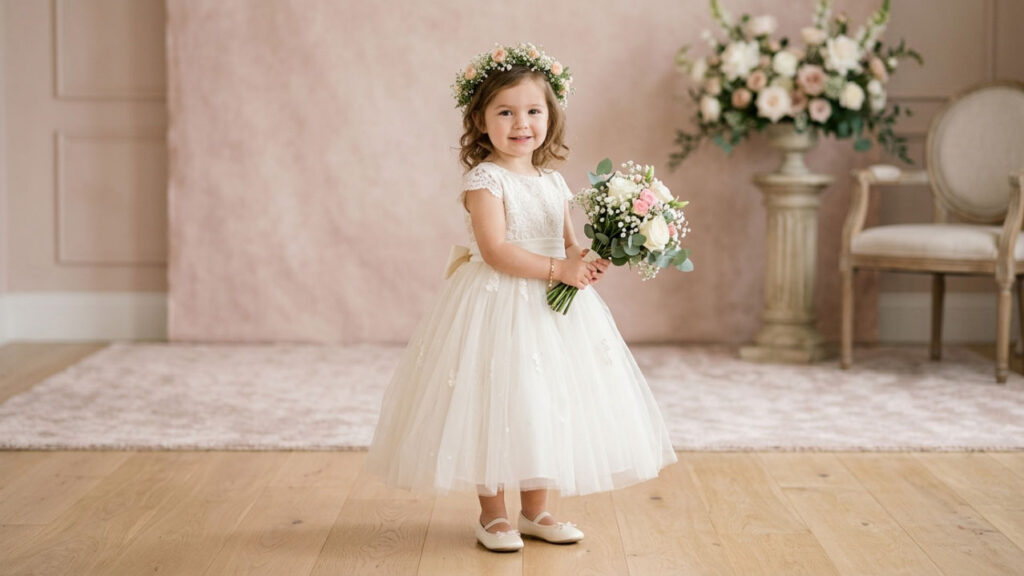
Boutique owners looking for stylish toddler outfits can also explore our wholesale flower girl dresses and toddler party dresses, available in popular 1T–4T sizes for children’s boutiques and retailers.
What Does 1–4T Mean in Baby Clothes?

1T to 4T are toddler clothing sizes designed for children between approximately 12 months and 4 years old. The “T” stands for Toddler. Unlike baby sizes labeled by months (such as 6M or 12M), toddler sizes are designed for more active children and typically provide extra room for movement and comfort.
At Outong, we often see retailers confuse 12M and 1T. In practice, sizing can vary between brands, so checking a size chart is always recommended before purchasing or ordering toddler clothing. It is important for both parents choosing clothing and retailers building toddler collections.
Toddler Size Chart: 1T to 4T Measurements
Because children grow at different rates, sizing can vary slightly between brands. According to growth references from the Centers for Disease Control and Prevention (CDC), toddlers experience rapid development during the early childhood years.
However, most manufacturers follow a general guideline for toddler clothing measurements.
Below is a typical 1T–4T toddler size chart used by many baby clothing brands.
| Size | Typical Age | Height | Weight |
|---|---|---|---|
| 1T | 12–18 months | 78–83 cm | 10–11.5 kg |
| 2T | 18–24 months | 83–90 cm | 11–13 kg |
| 3T | 2–3 years | 90–98 cm | 13–15 kg |
| 4T | 3–4 years | 98–105 cm | 15–17 kg |
These measurements serve as a general reference, but parents often choose sizes based on a child’s height and body shape rather than age alone.
For retailers and wholesalers, offering the full 1T–4T range helps cover the most important toddler growth stages.
What ages wear 1T, 2T, 3T, and 4T?
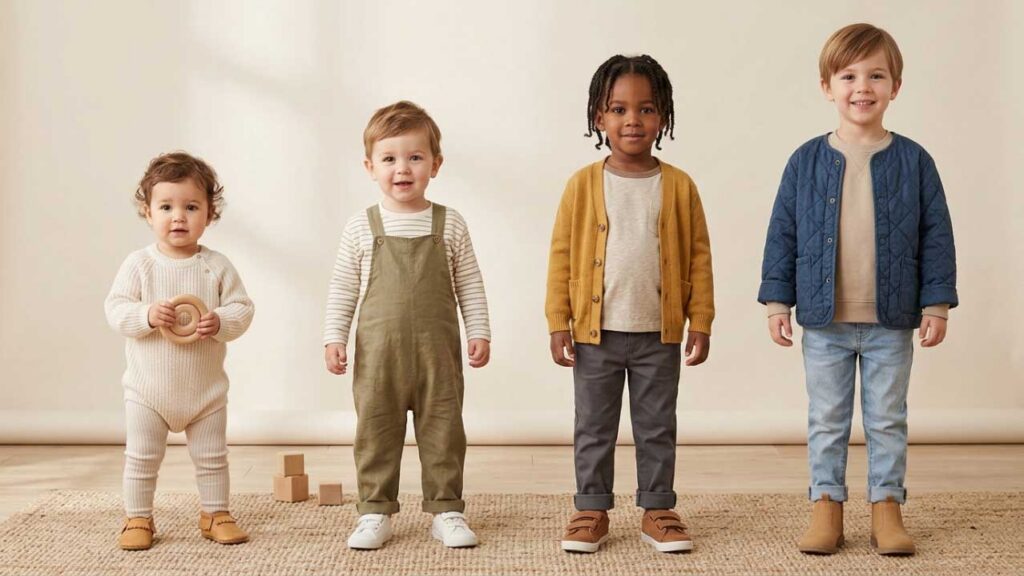
Each toddler clothing size corresponds to a typical age range, although individual growth patterns can vary.
Parenting resources such as Parents.com explain that toddler clothing sizes generally begin around 12 months and extend through the preschool years.
| Toddler Size | Typical Age | Description |
|---|---|---|
| 1T | 12-18 months | Designed for babies transitioning from infant clothing. Suitable for toddlers who are beginning to walk and become more active. |
| 2T | 18-24 months | One of the most common toddler sizes. Provides comfortable room for growth and daily movement. |
| 3T | 2-3 years | Suitable for active toddlers attending preschool or daycare. Designed for comfort and freedom of movement. |
| 4T | 3-4 years | Typically fits preschool-aged children and is often the largest size before moving into kids’ sizing. |
For boutiques and retailers, 2T and 3T are often the best-selling toddler sizes, while 1T and 4T help complete a balanced size range. Actual demand may vary depending on the target market and customer demographics.
1T vs 12 Months: What’s the Difference?
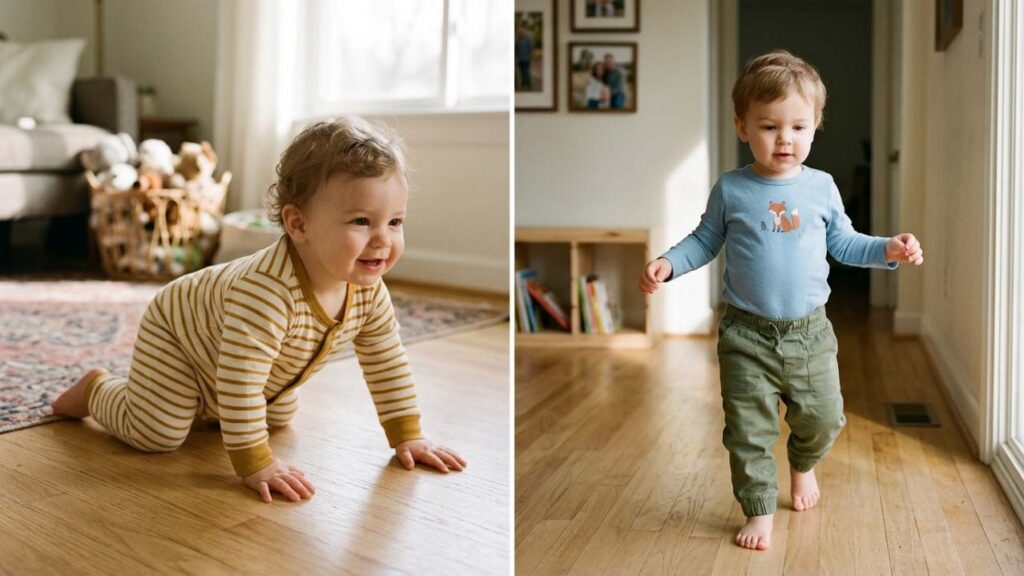
Many parents wonder whether 1T is the same as 12 months, but these sizes are slightly different.
While both sizes may fit children around one year old, toddler clothing is designed differently from infant clothing.
Parenting experts at What to Expect note that toddler clothing must allow greater mobility because toddlers are constantly moving and exploring.
Since children grow at different rates, using age alone is not always enough. Understanding the key measurements used in children’s clothing sizing can help ensure a better fit.
Infant Size (12 Months)
- Designed for babies who may still be crawling
- Shorter body length
- Snaps for easier diaper changes
Toddler Size (1T)
- Designed for walking toddlers
- Longer body proportions
- More room for movement
Because toddlers are more active, 1T clothing often provides a better fit for walking babies than traditional infant sizes.
Why Toddler Sizes Matter for Clothing Retailers
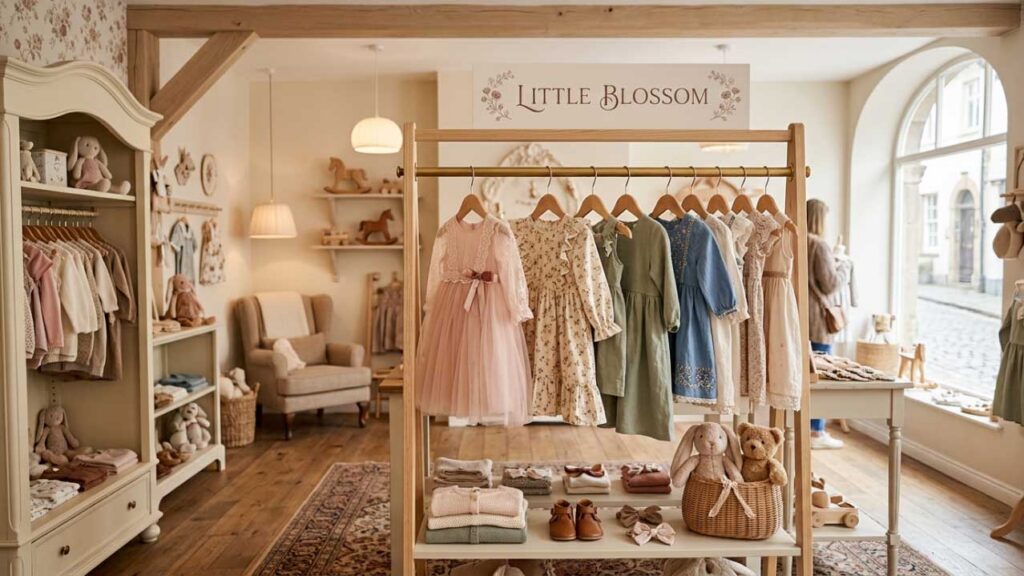
Understanding toddler sizing is important for retailers because size-related issues are one of the most common reasons for product returns. When customers receive clothing that fits as expected, satisfaction tends to increase, and repeat purchases become more likely. Accurate sizing also helps retailers plan inventory more effectively and avoid overstocking slow-moving sizes. For children’s clothing businesses, a well-balanced size range can improve both customer experience and sales performance.
Industry Insight from a Children’s Dress Manufacturer
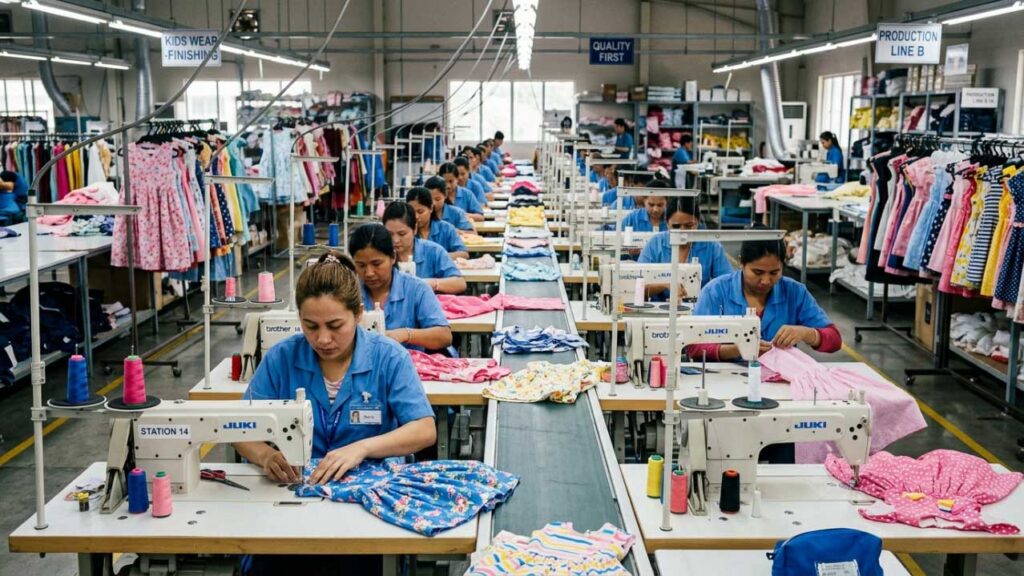
With more than 24 years of experience in manufacturing children’s clothing, we’ve found that sizing is one of the most important factors affecting customer satisfaction and repeat orders.
Many new retailers assume toddler sizes are standardized across all brands. In reality, small differences in measurements, fit preferences, and local market expectations can significantly impact sales performance. For this reason, experienced buyers often review size specifications carefully before placing orders rather than relying on age labels alone.
We also frequently see stronger demand for 2T and 3T sizes, particularly in boutique dress collections. However, the ideal size mix varies by market, product category, and customer demographics. Retailers who analyze past sales data and customer feedback typically achieve more balanced inventory planning and lower return rates.Collection, keeping sufficient inventory in 2T and 3T sizes, can significantly improve sell-through rates.
How Boutiques Choose the Right Toddler Sizes
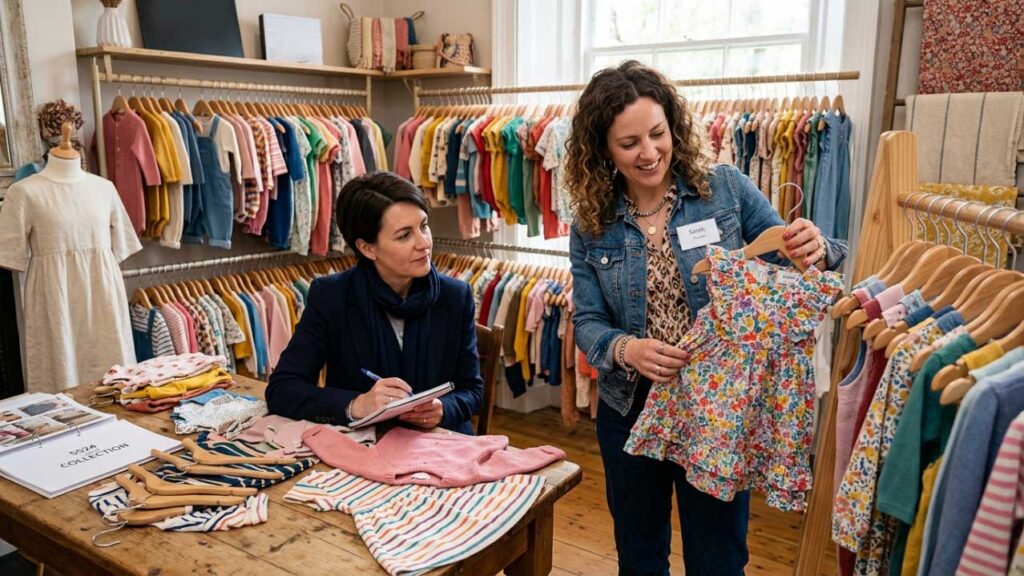
When planning toddler collections, most boutiques focus on a balanced size range rather than stocking equal quantities of every size. In many markets, 2T and 3T are the strongest-selling sizes because they cover children during a longer growth stage. However, local demographics, product categories, and seasonal demand can all influence size distribution. Reviewing previous sales data and customer feedback is often the most effective way to determine the right size mix.
From our experience working with children’s clothing retailers, buyers who review previous sales data and customer feedback before placing orders tend to achieve a more balanced inventory and lower size-related returns.
Tips for Choosing the Right Toddler Clothing Size
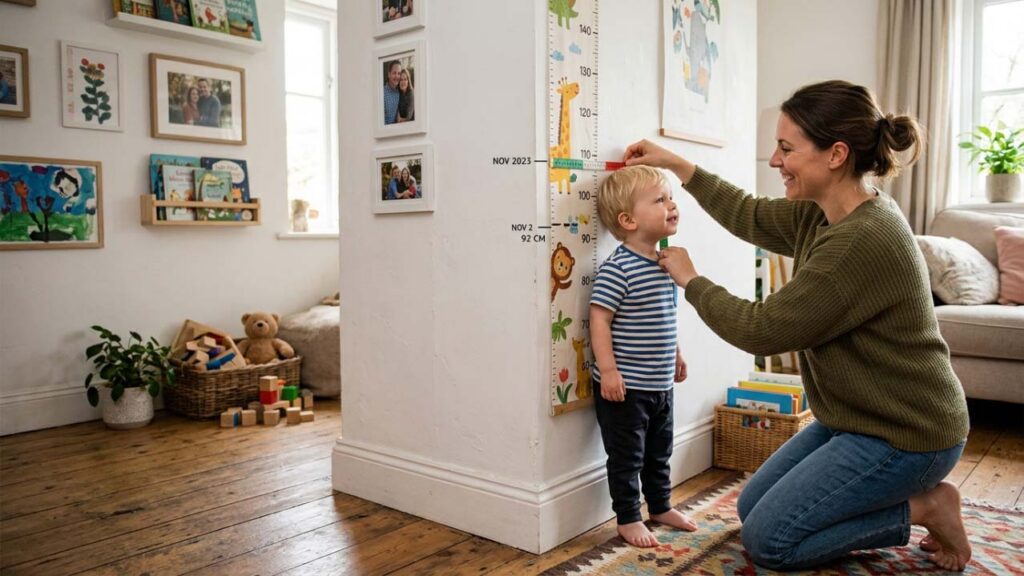
Selecting the right toddler clothing size involves more than simply following age labels. Since children grow at different rates, height and weight often provide a more accurate guide than age alone. Many parents choose a slightly larger size to allow room for growth, while retailers typically review size charts carefully to reduce sizing-related returns. Soft fabrics, comfortable fits, and flexible designs are also important because they support everyday movement and comfort for active toddlers.
According to BabyCenter, focusing on height, weight, and comfort can help parents choose better-fitting clothing for growing children.
FAQ
1. At what age does one wear 1T clothes?
Size 1T typically fits babies between 12 and 18 months, depending on the child’s height and growth rate.
2. What does the “T” mean in toddler clothing?
The letter T stands for Toddler, meaning the clothing is designed for children who are walking and becoming more active.
3. Is 4T the same as size 4?
No. 4T is designed specifically for toddlers, while size 4 is usually part of children’s sizing and may have slightly different proportions.
4. Are toddler sizes different from baby sizes?
Yes. Toddler clothing is designed for active movement, while baby clothing focuses more on comfort for infants.
5. What sizes should boutiques stock for toddler clothing?
Most boutiques stock sizes 1T–4T, with 2T and 3T typically selling the fastest.
6. Do toddler sizes vary between brands?
Yes. Toddler sizing can vary between brands due to different size standards, target markets, and fit preferences. Retailers should always check the manufacturer’s size chart before placing orders.
7. Should retailers stock more 2T or 3T sizes?
In many markets, 2T and 3T are among the best-selling toddler sizes because they cover the largest group of active toddlers. However, the ideal size ratio depends on your customer base and sales history.
8. How do manufacturers determine toddler sizing?
Most manufacturers develop toddler sizes based on children’s average height, weight, and body measurements. Professional manufacturers also adjust sizing according to regional market preferences and customer feedback.
Conclusion
1T to 4T are toddler clothing sizes designed for children between approximately 12 months and 4 years old. Because sizing can vary between brands, checking measurements and size charts is always recommended.
For retailers and wholesalers, understanding toddler sizing helps build more accurate collections and improve customer satisfaction. At Outong Fashion, we provide children’s clothing in a wide range of sizes to support global retailers and boutique brands.
Building Your Next Children’s Clothing Collection?
Choosing the right size range is only one part of creating a successful children’s clothing collection. Retailers also need styles that match their market and reliable production support.
At Outong Fashion, we work with wholesalers, retailers, and children’s brands worldwide to develop collections that combine accurate sizing, quality manufacturing, and flexible OEM/ODM solutions.
Contact us to learn more about our latest collections and manufacturing services.